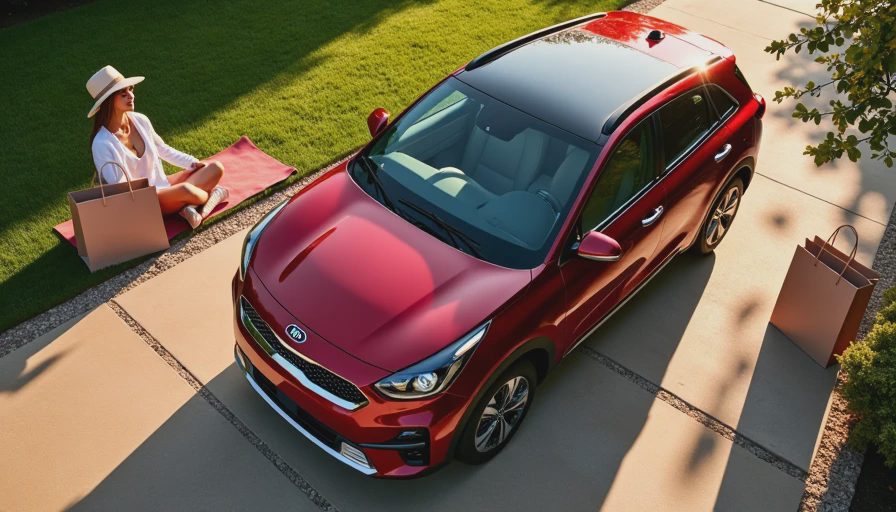
When I first got behind the wheel of the Kia Niro PHEV, I wasn't sure what to expect. Plug-in hybrids can be a compromise, but this one surprised me. The Kia Niro PHEV combines an efficient gasoline engine with an electric motor, offering a total range that makes daily commutes nearly all-electric while eliminating range anxiety on longer trips. It's a car that actually lives up to the hype.
After a week of driving the Niro PHEV in mixed conditions, I came away impressed. The electric-only range—about 26 miles according to the EPA—was enough for my daily errands and commute. I rarely touched the gas pedal during the work week. And when I did need the engine, the transition was seamless. The Kia Niro PHEV is more than just a fuel-sipper; it's a genuinely pleasant car to drive.
What Makes the Kia Niro PHEV Stand Out?
The Niro PHEV sits in a sweet spot. Unlike a full electric vehicle, you never worry about finding a charger on a road trip. But unlike a standard hybrid, you can plug it in and drive on electricity for most daily needs. That flexibility is its biggest selling point. Plus, the design is sleek without being flashy—a crossover that doesn't scream "hybrid."
Inside, the cabin feels upscale for the price. Soft-touch materials, supportive seats, and a clean dashboard layout make it a comfortable place to spend time. The infotainment system is intuitive, with Apple CarPlay and Android Auto standard. Rear seats offer decent legroom, and the cargo area is generous for a plug-in hybrid.
Fuel Economy and Real-World Range
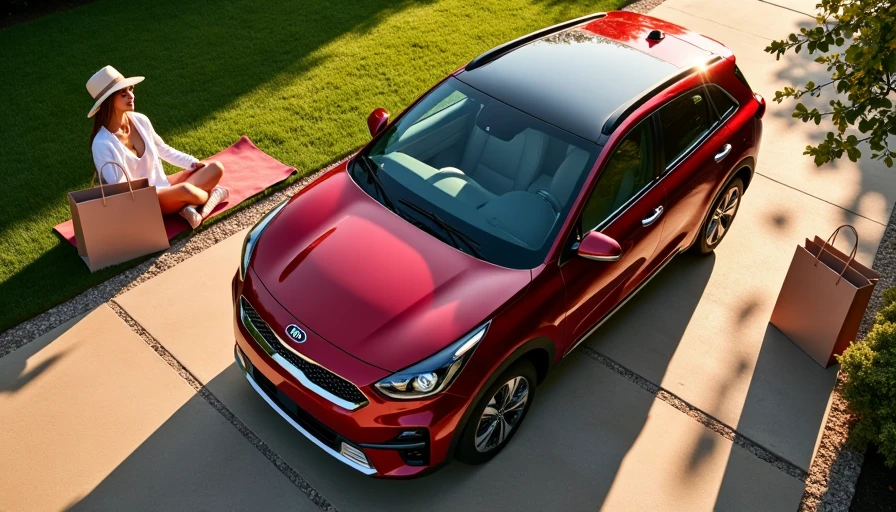
On the fuel economy front, the Kia Niro PHEV delivers. Officially, it gets 105 MPGe combined and 46 mpg in hybrid mode after the battery depletes. In my real-world testing, I averaged about 50 mpg on the highway with a depleted battery—impressive for a crossover. During the week, I only visited the gas station once, and that was for a longer weekend trip.
The 26-mile electric range is realistic for most commutes. I live about 15 miles from my office, so I could do a round trip on battery alone if I charged at work. At home, a standard 120V outlet charges the battery overnight. Level 2 charging cuts that to under three hours. For many drivers, the Kia Niro PHEV means weekly gas stops become monthly.
Inside the Niro PHEV: Comfort and Tech
I spent a lot of time inside the Niro PHEV, and it made a good impression. The seats are supportive for long drives, and the cabin remains quiet at highway speeds. The panoramic sunroof (available on higher trims) lets in plenty of light. Tech-wise, the 10.25-inch touchscreen is responsive, and the optional Harman Kardon sound system is a treat.
One thing I particularly liked: the regenerative braking paddles on the steering wheel let you adjust how much energy is recaptured. It adds a fun element to driving and helps maximize efficiency. The Kia Niro PHEV also comes with a full suite of safety features—forward collision warning, blind-spot monitoring, rear cross-traffic alert—all standard. That not only gives peace of mind but can also reduce your insurance premiums.

Insurance Considerations for the Kia Niro PHEV
When shopping for a Kia Niro PHEV, don't overlook insurance costs. Plug-in hybrids can sometimes cost more to insure than their conventional counterparts because of the expensive battery and electric components. But the Niro PHEV's strong safety ratings and standard driver-assist features often offset that. I called my insurer and found that the premium for the Niro PHEV was only slightly higher than a comparable gasoline crossover—about $20 more per month.
To keep costs down, shop around. Some insurers offer discounts for hybrid vehicles or for having safety features like automatic emergency braking. Also, consider increasing your deductible if you have an emergency fund. The Kia Niro PHEV is a practical, efficient car that can save you money at the pump and, with a little homework, on insurance too.
Kia Niro PHEV vs. Competitors: A Quick Comparison
If you're considering the Kia Niro PHEV, you might also be looking at the Toyota Prius Prime or the Honda Clarity PHEV. How does the Niro stack up? The Prius Prime offers slightly more electric range (about 40 miles) but has a smaller interior and less cargo space. The Clarity PHEV has a more spacious rear seat and a longer EV range (up to 48 miles), but it's discontinued after 2021. The Kia Niro PHEV strikes a great balance: it's not the longest on EV range, but it's the most practical daily driver with its crossover shape and user-friendly tech. Plus, Kia's warranty is among the best in the industry—10 years/100,000 miles for the powertrain. When you factor in the lower starting price and the fuel savings, the Kia Niro PHEV is a compelling choice for most buyers. It may not win every spec sheet battle, but in real-world living, it's hard to beat.
Another competitor to consider is the Hyundai Ioniq Plug-in Hybrid, which shares many parts with the Niro but offers a lower price point and slightly less interior space. The Ioniq PHEV gets up to 29 miles of EV range, making it a close rival. However, the Kia Niro PHEV's stronger safety ratings and higher ground clearance give it an edge for those who venture off paved roads occasionally. Ultimately, test-driving each model will help you decide which fits your lifestyle best. But if you prioritize versatility and resale value, the Kia Niro PHEV is a safe bet.
Final Thoughts
The Kia Niro PHEV is a standout in the plug-in hybrid segment. It's efficient, practical, and enjoyable to drive. Whether you're a first-time hybrid buyer or looking to upgrade from an older model, this car delivers. The combination of electric range, fuel economy, and thoughtful design makes it a smart choice for anyone wanting to reduce their carbon footprint without sacrificing convenience. If you're in the market for a hybrid, put the Kia Niro PHEV on your test-drive list. It might just surprise you, like it surprised me.




Letters
No letters yet — be the first to write.