Flushing ATF Fluid: Why It Matters for Your Transmission's Life
I’ve been wrenching on cars for over a decade, and one maintenance item that always sparks debate is flushing ATF fluid. Some people swear by it, others think it’s a waste of money. After seeing the inside of dozens of transmissions, I can tell you: skipping a flush can cost you thousands. Let’s break down what flushing ATF fluid actually does, when you should do it, and whether you should tackle it yourself or pay a shop.
What Is an ATF Flush and Why Do You Need It?
An ATF flush is the process of fully replacing the automatic transmission fluid (ATF) in your vehicle. Unlike a simple drain-and-fill, which only removes about a third of the old fluid, a flush pushes out nearly all the old fluid and dirt. Over time, ATF breaks down from heat and friction, losing its ability to lubricate and cool the transmission. That degradation causes varnish and sludge to build up on internal parts. If you let that go, shifts become harsh, parts wear out, and eventually the transmission fails. Flushing ATF fluid restores the fluid’s properties and removes harmful deposits. Think of it as a deep-clean for your gearbox.
When Should You Flush Your Transmission Fluid?
This is where advice gets contradictory. Many owner’s manuals say “lifetime fluid,” but that usually means 100,000 miles—not the life of the car. I recommend flushing ATF fluid every 30,000 to 60,000 miles, depending on driving conditions. If you tow heavy loads, live in a hot climate, or do a lot of stop-and-go city driving, stick to the shorter end. For gentle highway commutes, 60,000 is fine. A simple check is to look at the fluid on the dipstick. If it’s dark brown or smells burnt, you’ve waited too long. And if your transmission already has 150,000 miles on the same fluid, some mechanics advise against a flush because the new fluid might dislodge debris that’s sealing worn seals. In that case, a gentle drain-and-fill is safer.
DIY vs Professional Flush: Pros and Cons
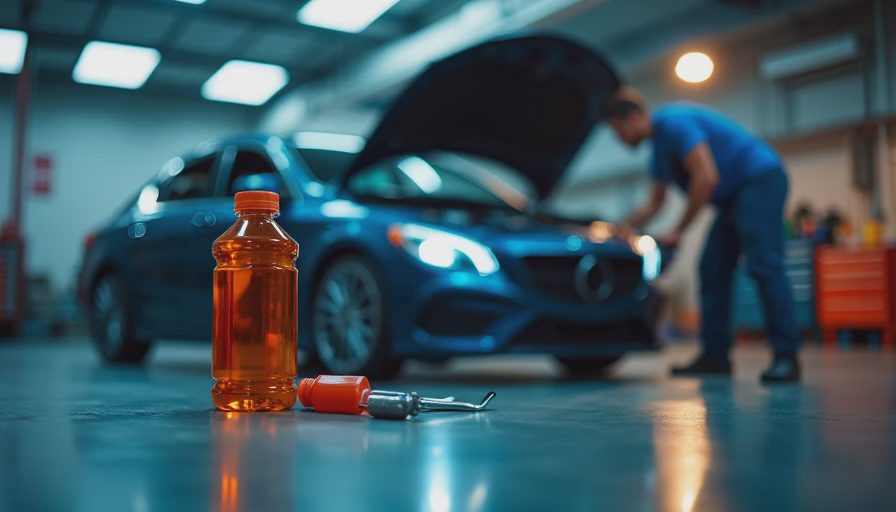
I’ve done both, and each has its place. A professional flush at a shop typically costs $150 to $300 and uses a machine that exchanges the fluid under pressure. Machines ensure thorough removal while keeping the transmission full during the process. That’s important because running a transmission low on fluid can damage it. On the flip side, you can DIY flushing ATF fluid for the price of fluid and a few tools—maybe $80 to $150 for the fluid alone. But DIY methods vary. The simplest approach is to drain the pan, refill, run the engine, shift through gears, and repeat three or four times. That’s more like a series of drain-and-fills than a true flush, but it works if you’re careful. Another DIY method uses a fluid exchange tool that connects to the cooler lines. I’ve used that on my old Ford Ranger, and it worked well, but it’s messy and requires exact knowledge of your transmission’s cooler flow direction.
Cost of Flushing ATF Fluid
Let’s talk numbers. A professional flush at a chain shop like AAMCO or Firestone runs $200–$350, with synthetic fluid costing more. If you go to a dealer, expect to pay $300–$500. The fluid itself is the big variable. Conventional ATF runs $4–$8 per quart, while synthetics like Mobil 1 Synthetic ATF or Valvoline MaxLife can be $8–$12 per quart. A typical passenger car takes 8–12 quarts for a full flush. So if you DIY, total cost for materials is about $50–$100. Compare that to $2,000–$5,000 for a new transmission, and flushing ATF fluid every few years seems like cheap insurance. One tip: always use the fluid specified in your owner’s manual. Some transmissions, like those in older GM vehicles, are picky about Dexron III, while newer ones might require Dexron VI or Mercon SP.
Step-by-Step Guide to Flushing ATF Fluid (If You Do It Yourself)
If you’re handy and want to flush your own transmission, here’s a safe method that minimizes risk. Note: this is for a standard drain-and-refill sequence, not a machine flush. You’ll need: fresh ATF (buy an extra quart just in case), a drain pan, a torque wrench, ramps or jack stands, and a funnel.
- Warm up the engine to operating temperature, then park on level ground and engage the parking brake.
- Locate the transmission drain plug under the pan. Some cars don’t have one—the pan must be dropped. If you drop the pan, replace the filter and gasket.
- Drain the old fluid. Measure what comes out to gauge how much to replace.
- Reinstall the drain plug or pan, then fill with the same amount of new fluid. Do not overfill—check the dipstick after each quart.
- Start the engine, shift through all gears (P, R, N, D, 2, 1) pausing a few seconds in each, then check the dipstick with the engine running and transmission in Park.
- Repeat the drain-and-fill cycle two more times after driving a few days between each. This gradually replaces about 80% of the old fluid.
Common Misconceptions About Flushing ATF Fluid
A frequent myth is that flushing will ruin your transmission if it’s never been done. That can happen if the transmission is already worn and the sludge is acting as a seal. But for a well-maintained transmission, a flush is beneficial. Another myth is that you must use a machine for an effective flush. In my experience, multiple drain-and-fills over a few weeks get the fluid clean enough for most drivers. The key is discipline—don’t stop after one drain. And never use “flush chemicals” that claim to clean deposits. Those can damage seals. Stick to the right ATF and a consistent schedule.
Final Thoughts
I’ve seen transmissions die from neglected fluid changes, and I’ve seen them run past 200,000 miles with regular flushes. Flushing ATF fluid is one of those cheap maintenance tasks that gives you peace of mind and extends your car’s life. Whether you do it yourself or pay a pro, make it part of your routine. Your transmission will thank you—and so will your wallet when you’re not shopping for a rebuild.


Letters
No letters yet — be the first to write.