Picture this: you're cruising down the highway at 65 mph, and suddenly your engine revs but the car won't move. Or worse, the wheels lock up and you start skidding. That terrifying moment is what we call transmission locking up while driving. It’s a sudden, dangerous failure that can leave you stranded or cause a crash. If you’ve ever experienced it, you know the panic. But knowing what to do—and why it happens—can save your car and keep you safe.
Common Causes of Transmission Locking Up While Driving
Transmission locking up while driving doesn’t happen without a reason. The most common culprit is low or contaminated transmission fluid. When fluid gets old or leaks out, internal parts run dry, overheat, and can seize. Another frequent cause is a faulty torque converter. This component can fail internally, causing it to lock up and not disengage, which feels like the transmission is stuck in gear. Worn-out solenoids or a failing valve body also lead to erratic shifting and eventual lockup. In manual transmissions, a broken clutch or stuck shift fork can lock the gearbox mid-drive. Finally, modern transmissions rely on electronic controls; a bad sensor or wiring issue can send wrong signals, forcing the transmission into a fail-safe mode that mimics a lockup.
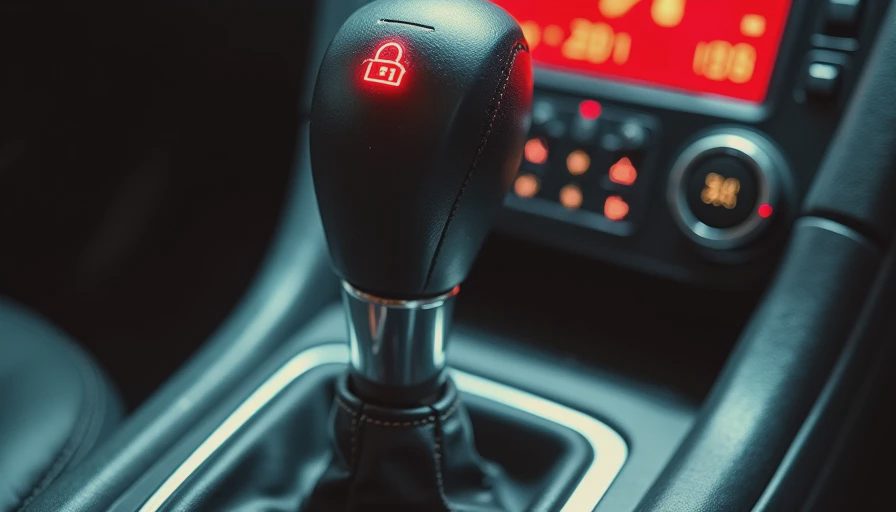
How to React Safely When Your Transmission Locks Up
Your first priority when transmission locking up while driving is safety. Stay calm. If the wheels lock, you might lose steering. Ease off the gas—don’t slam the brakes, as that can worsen a skid. Shift into neutral. On many cars, this disengages the engine from the wheels, allowing you to coast. Then gently steer to the shoulder. If the shifter won’t move, try turning the engine off and restarting it—sometimes a electronic glitch resets. But be careful: if the transmission is truly seized, restarting might not help. Once you’re stopped, turn on hazard lights. Do not attempt to drive further. Call a tow truck. Driving even a few more feet can turn a repairable problem into a total transmission replacement.
What Repairs Usually Cost After a Transmission Locks Up
The cost to fix transmission locking up while driving varies wildly depending on the cause. A simple fluid change and filter might run $150–$250 if caught early. But if the transmission is damaged internally, you’re looking at $1,500–$4,000 for a rebuild or $2,500–$6,000 for a replacement. A torque converter alone can cost $500–$1,000 including labor. Electronic repairs, like a new solenoid pack, might be $300–$800. If your car has a CVT (continuously variable transmission), repairs tend to be more expensive. Many shops will charge a diagnostic fee of $100–$200 just to identify the problem. The key is to not ignore early warning signs like slipping, hard shifts, or strange noises—those can prevent a full lockup.

Prevention: How to Avoid Transmission Locking Up in the Future
No one wants to deal with transmission locking up while driving again. Prevention starts with regular maintenance. Check your transmission fluid monthly—most automatic transmissions should have pinkish-red fluid that smells slightly sweet. If it’s dark, burnt, or low, have it serviced. Follow your owner’s manual for fluid change intervals, typically every 30,000–60,000 miles. Also, avoid heavy towing if your vehicle isn’t rated for it; overheating transmissions are a top cause of lockup. For manual cars, never rest your hand on the shift knob—it can wear out internal components. And if your check engine light comes on, get it scanned immediately. Many transmission issues start as small electronic faults that are cheap to fix.
When to Call a Professional vs. DIY
Should you try to fix transmission locking up while driving yourself? Only if you’re experienced with drivetrain repairs. Begin by checking the fluid level and color—a simple top-off can sometimes fix low-fluid lockups. But if the problem persists, or if you see metal shavings in the fluid, that means internal damage. Rebuilding a transmission is complex and requires specialty tools. For most drivers, paying a certified mechanic $100–$150 per hour is worth the peace of mind. Get at least two quotes before authorizing work. Some shops offer free diagnostics with a repair, so ask.
Frequently Asked Questions About Transmission Lockup
Q: Can shifting to neutral prevent damage if the transmission locks up?
A: Yes, shifting to neutral disengages the engine from the wheels. This can reduce further strain on internals and allow you to coast safely to a stop. But if the gear selector is stuck, don't force it—turn off the engine and restart.
Q: Is it safe to restart the engine after a lockup?
A: Sometimes a restart resets an electronic glitch that caused the lockup. If the car moves normally afterward, drive slowly to a shop. If the problem recurs, do not drive further. Restarting won't fix a mechanical seizure.
Q: How often should I service my transmission to avoid lockups?
A: Most manufacturers recommend a fluid change every 30,000 to 60,000 miles. Check your owner's manual. Severe driving conditions—like stop-and-go traffic or towing—require more frequent service.
Q: Will my car insurance cover transmission damage from a lockup?
A: Standard auto insurance policies do not cover mechanical breakdowns. You would need a separate mechanical breakdown insurance or an extended warranty. However, if the lockup caused an accident, collision coverage might apply to the crash damage, but not the transmission itself.
Transmission locking up while driving is scary, but it doesn’t have to ruin your day or your budget. Knowing the causes, how to react, and what to expect for repairs helps you handle the situation with confidence. Keep up with maintenance, and you’ll lower your odds of ever facing that sudden, heart-stopping moment on the road.


Letters
No letters yet — be the first to write.