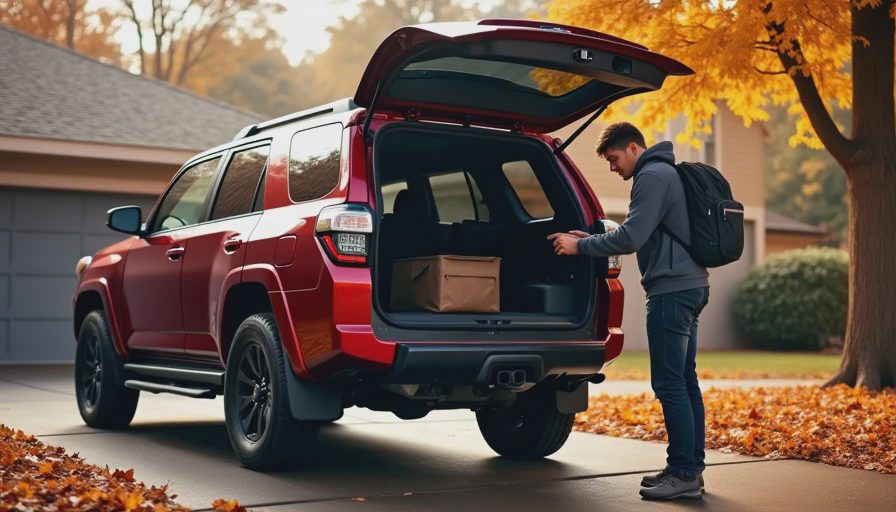
When people talk about the Toyota 4Runner, they usually rave about the TRD Off-Road or the TRD Pro. But there's a model that often gets overlooked: the TRD Sport 4Runner. I spent a week with one to see if this more road-oriented trim makes sense for daily drivers. Here’s my honest take.
What Is the TRD Sport 4Runner?
The TRD Sport trim sits in the middle of the 4Runner lineup. It’s designed for drivers who want the rugged 4Runner look and capability but spend most of their time on pavement. It comes standard with a sport-tuned suspension, unique 20-inch wheels, and a hood scoop (functional? Not really, but it looks good). The interior gets SofTex upholstery and heated front seats. It also includes Toyota Safety Sense P — a nice touch for a vehicle that starts around $43,000. Unlike the TRD Off-Road, the Sport doesn't have a locking rear differential or Multi-Terrain Select. It's built for cornering, not crawling.
On-Road Performance and Comfort
This is where the TRD Sport really shines. The suspension is stiffer than the SR5 but less harsh than the TRD Pro. It actually handles highway curves with confidence. The steering has a bit more weight, which I appreciated. Around town, the ride is firm but not punishing. The 4.0-liter V6 is the same 270-horsepower engine found across the lineup — it’s not quick, but it’s adequate. The five-speed automatic feels ancient by modern standards, but it gets the job done. Overall, the TRD Sport 4Runner feels more like a crossover than a truck-based SUV on the road. That’s high praise for a body-on-frame vehicle.
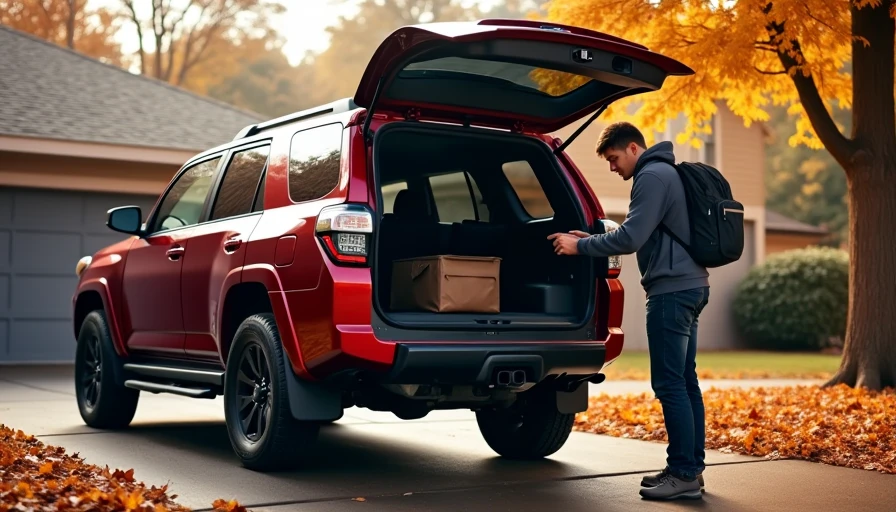
How It Compares to the TRD Off-Road and Pro
The biggest question is: why choose the TRD Sport 4Runner over the Off-Road? The Off-Road adds a locking rear diff, crawl control, and Multi-Terrain Select. If you actually go off-roading, those are worth every penny. But if you’re like most 4Runner owners who never take it off pavement, the Sport saves you about $1,500 and gives you a better on-road ride. The TRD Pro, meanwhile, adds a more aggressive suspension, skid plates, and a distinct look — but you’ll pay nearly $50,000. For daily driving, the Sport offers the best value.
Interior and Tech Features
Inside, the TRD Sport 4Runner gets a 4.2-inch multi-information display, dual-zone automatic climate control, and an eight-inch touchscreen with Apple CarPlay and Android Auto. The seats are comfortable for long trips, though rear legroom is tight for adults. Cargo space is generous — 47.2 cubic feet behind the second row, and 89.7 with the seats folded. The power moonroof and roof rails are standard. One quibble: the steering wheel is tilt-only, not telescoping. That’s a bit annoying for tall drivers. Still, the cabin feels durable and well put together.
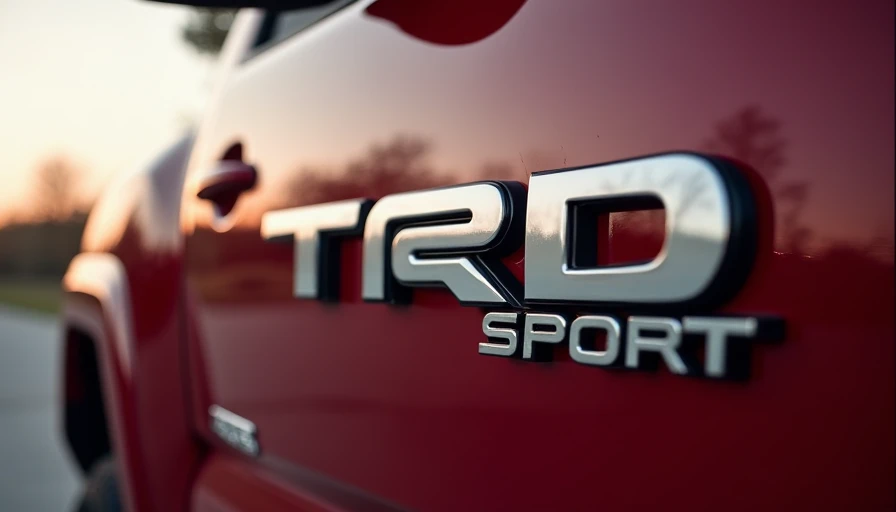
Fuel Economy and Practicality
Let’s be real: the 4Runner is not fuel-efficient. The TRD Sport is rated at 16 mpg city and 19 mpg highway. I averaged about 17.5 in mixed driving. For a daily driver, that’s a tough pill to swallow if you have a long commute. If you have a short commute, the mileage might not kill you, but for highway warriors, consider a Hybrid or smaller SUV. Still, the TRD Sport 4Runner's durability and resale value are excellent. It also has a 5,000-pound towing capacity, which is decent for a mid-size SUV. If you can stomach the gas bills, it’s a practical vehicle for the long haul.
Is It Worth It?
If you want a 4Runner primarily for street driving and like the sporty styling, the TRD Sport is a smart choice. You get the rugged image and Toyota durability without the off-road gear you’d never use. Starting around $43,000, it undercuts the TRD Off-Road by about $1,500 and the Pro by nearly $7,000. That’s real money. In my week with the TRD Sport 4Runner, I found it to be the most comfortable 4Runner for everyday use. It’s not perfect — the fuel economy and outdated transmission are drawbacks — but for the right buyer, it hits a sweet spot. For me, it's the best daily-driver 4Runner on the market.
Pros and Cons of the TRD Sport 4Runner
If you're still on the fence, here’s a quick breakdown of the key advantages and disadvantages of the TRD Sport 4Runner compared to other trims.
**Pros:**
- Best on-road handling in the 4Runner lineup thanks to the sport-tuned suspension.
- Lower price than the TRD Off-Road and Pro, saving you $1,500 to $7,000.
- Unique styling with 20-inch wheels and a hood scoop that turn heads.
- Standard Toyota Safety Sense P and comfortable SofTex seats.
- Strong resale value and legendary Toyota reliability.
**Cons:**
- No off-road goodies like locking differential or crawl control.
- Poor fuel economy — expect around 17 mpg in real-world driving.
- The five-speed automatic transmission feels dated and hurts acceleration.
- Rear legroom is tight for adults, and the steering wheel doesn't telescope.
- Requires premium fuel? No, regular unleaded is fine, but the mpg still hurts.
Ultimately, the TRD Sport 4Runner isn't for everyone. But if you value on-road comfort and a sporty look over rock-crawling capability, it's the smartest trim in the lineup. Test drive one and see for yourself.


Letters
No letters yet — be the first to write.