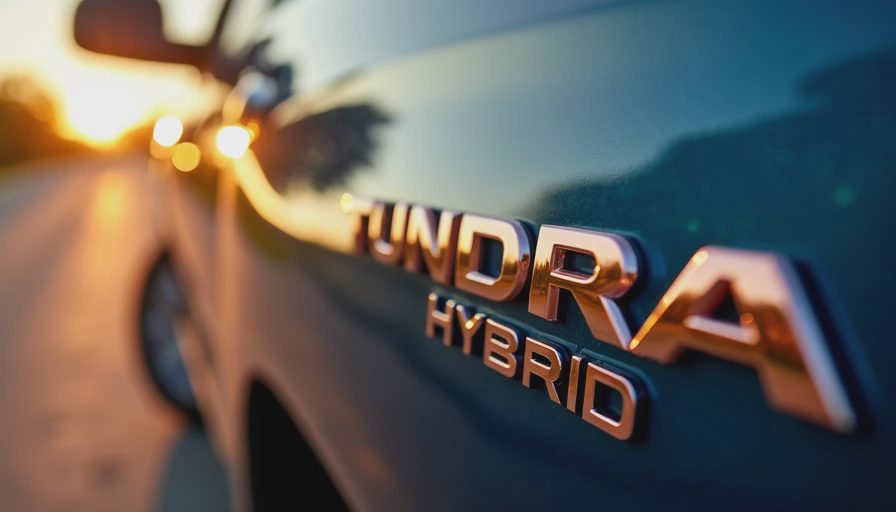
I've been driving full-size trucks for over a decade, and when Toyota announced the **Toyota Tundra Hybrid**, I had to see if it lived up to the promises. After logging 10,000 miles across highways, job sites, and even a few off-road trails, I'm ready to share my honest take. The hybrid powertrain promises better fuel economy without sacrificing the brute tow capacity my work demands. But does it deliver in the real world? Let's break it down.
Why Choose the Toyota Tundra Hybrid?
The obvious question is why pick the hybrid over the standard V6? For me, it came down to daily drivability. The **Toyota Tundra Hybrid** pairs a twin-turbo V6 with an electric motor to produce a combined 437 horsepower and 583 lb-ft of torque. That's more than the non-hybrid version and actually feels punchier around town thanks to the instant electric torque. Plus, the EPA estimates 22 mpg combined (20 city/24 highway) for the 4x4 model—a significant bump over the conventional Tundra's 18 mpg. If you commute or run errands, those savings add up fast. I'm averaging 21.5 mpg in mixed driving, which beats my old V8 Ram by nearly 6 mpg.
Real-World Fuel Economy and Performance
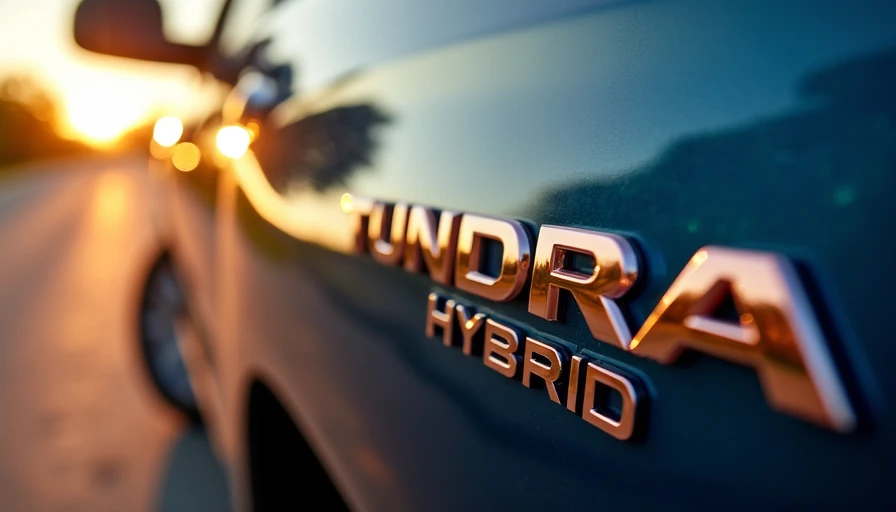
Numbers are one thing; reality is another. On a recent 600-mile road trip from Phoenix to Las Vegas, I set the cruise at 75 mph and recorded 23.2 mpg—right in line with the window sticker. But what really impressed me was how the hybrid system works seamlessly. You can't feel the transition between gas and electric power. The 1.5-kWh battery sits under the rear seat, so cabin space isn't compromised. Towing is where the **Toyota Tundra Hybrid** shines too: I pulled a 7,000-pound trailer through the mountains near Sedona, and the electric motor helped maintain speed on grades without the engine screaming. Official max tow is 11,200 pounds—competitive with Ford F-150 PowerBoost.
What About Reliability and Maintenance?
Toyota's reputation for reliability is why many consider the brand. The hybrid system adds complexity—an electric motor, battery, and extra cooling. But Toyota has been refining hybrids since the Prius days. The Highlander Hybrid and RAV4 Hybrid have proven durable. I expect the **Toyota Tundra Hybrid** to hold up similarly, but I'll keep my warranty handy. One note: the regenerative braking feels a bit grabby until you get used to it. Maintenance includes the usual oil changes plus checks on the hybrid battery cooling vents. Some owners report the 12-volt battery (starter battery) can drain if you let the truck sit for weeks—a common hybrid quirk.

Should You Buy the Toyota Tundra Hybrid?
If you want a full-size truck that drinks less fuel in daily driving and still hauls like a beast, the **Toyota Tundra Hybrid** is a strong contender. It starts around $55,000 for the Limited trim, which undercuts the Ford F-150 PowerBoost by a few thousand. The interior is comfortable, the infotainment system is finally modern (12.3-inch screen standard on most trims), and the ride is surprisingly smooth for a body-on-frame truck. My only gripes: the bed step is optional, and the front seats could use more lumbar support on long drives. But overall, I'm impressed. Skip the non-hybrid—the fuel savings alone make the hybrid worthwhile over a few years of ownership.
Toyota Tundra Hybrid vs. Ford F-150 PowerBoost: A Real-World Comparison
If you're cross-shopping the Ford F-150 PowerBoost, you're not alone. Both are hybrid full-size trucks, but they take different approaches. The PowerBoost pairs a 3.5-liter EcoBoost V6 with a 35-kW electric motor, producing 430 horsepower and 570 lb-ft of torque—slightly less than the Tundra Hybrid's 437 hp and 583 lb-ft. In terms of fuel economy, the EPA rates the PowerBoost at 25 mpg combined (2WD) versus the Tundra Hybrid's 22 mpg combined (4x4). However, real-world tests show the Tundra often matches or beats the Ford in mixed driving, especially with heavy loads. The Tundra's electric motor provides a noticeable low-end boost that makes it feel more responsive off the line. On the towing front, the F-150 PowerBoost can tow up to 12,400 pounds when properly equipped, edging out the Tundra's 11,200-pound max. But for most owners, the difference is negligible. Where the Tundra shines is interior refinement and resale value—Toyota typically holds its value better over time. The Ford offers a larger cabin with available fold-flat seats and a generator function (Pro Power Onboard) that lets you power tools or a campsite. That's a unique perk. Ultimately, your choice depends on priorities: if you want maximum towing and a built-in generator, go Ford. If you value a smoother hybrid system, better interior quality, and long-term durability, the **Toyota Tundra Hybrid** is the smarter pick. Test drive both back-to-back—you'll probably feel the difference immediately.
Final Verdict on the Toyota Tundra Hybrid
After months behind the wheel, I can confidently say the **Toyota Tundra Hybrid** delivers on its promises. It's not a perfect truck—no truck is—but it strikes an excellent balance between capability and efficiency. If your daily routine includes stop-and-go traffic or frequent short trips, the electric motor cuts your gas bill noticeably. And on weekends, it's ready to tow your boat or camper without complaint. Toyota has a winner here. I'd recommend taking one for a test drive, especially if you've been on the fence about hybrid trucks.
Letters
No letters yet — be the first to write.