
If you tow a trailer, you know that stopping safely is just as important as getting moving. A **trailer brake controller** is the device that syncs your trailer's brakes with your tow vehicle's braking system. Without one, you risk jackknifing, losing control, or wearing out your truck's brakes prematurely. In this guide, I'll walk you through everything you need to know about trailer brake controllers—from how they work to which brand to buy—so you can tow with confidence.
What Is a Trailer Brake Controller?
A trailer brake controller is an electronic device mounted inside your tow vehicle that sends a signal to the electric brakes on your trailer. When you press the brake pedal, the controller applies power to the trailer brakes in proportion to how hard you're braking. Most modern controllers are plug-and-play with factory wiring harnesses, making installation straightforward. There are two main types: proportional and time-delayed. Proportional controllers adjust braking force based on deceleration, giving a smoother stop. Time-delayed controllers apply a preset amount of power after a slight delay, which can be less smooth but is often cheaper.
Types of Trailer Brake Controllers
Proportional Controllers
These are the gold standard. They use an accelerometer to sense how quickly your vehicle is slowing down and adjust the trailer brake force accordingly. Brands like Tekonsha Prodigy and Curt Spectrum are popular options. Expect to pay between $150 and $300. They're ideal for frequent towers or heavy loads because they provide natural-feeling braking.
Time-Delayed Controllers
These are simpler and more affordable, typically $40 to $100. They send a fixed amount of power to the trailer brakes after a user-set delay. You can adjust the power output, but the braking isn't as smooth. They work fine for light or occasional towing, but I've found them jerky on slippery roads.
How to Choose the Right Trailer Brake Controller
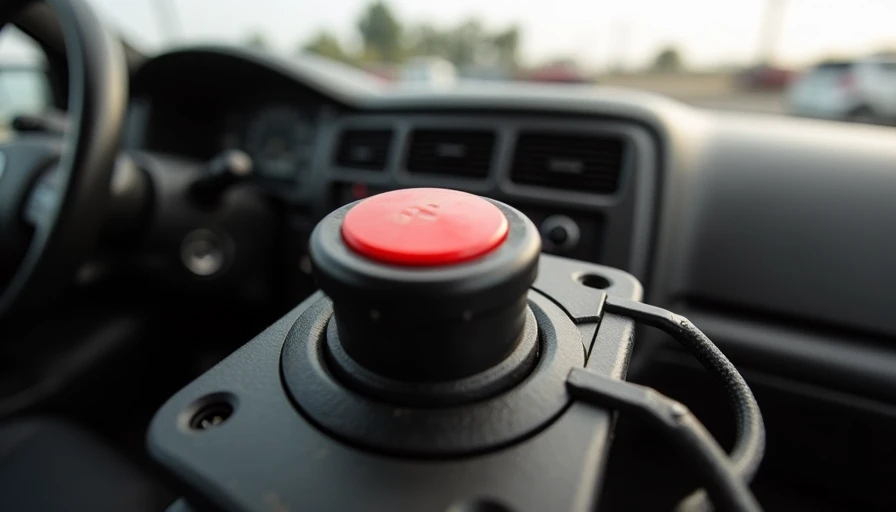
First, check your tow vehicle's compatibility. Many newer trucks (Ford F-150, Ram 1500, Chevy Silverado) come with a factory plug under the dash. You'll need a controller that matches that connector—typically a 4-pin or 6-pin harness. If your vehicle is older, you may need to hardwire it. Next, consider your trailer weight. For trailers over 3,000 lbs, I strongly recommend a proportional controller. For lighter loads, a time-delayed unit is sufficient.
Braking capacity is another factor. Most controllers handle up to 3 axles. If you have a large travel trailer or a boat trailer, look for a controller rated for at least 4,000 lbs per axle. Finally, think about features like manual override (allows you to apply trailer brakes independently), digital display, and mounting position. I prefer dash-mounted units that are easy to reach.
Installation Tips
Installing a trailer brake controller isn't difficult if you're handy with basic wiring. Most modern controllers come with a wiring harness that plugs into your vehicle's OEM connector. Simply plug it in, mount the bracket under the dash, and route the cable. For vehicles without a factory plug, you'll need to tap into the brake light switch, 12V power, and ground. Always use a circuit breaker or fuse rated for the controller's amperage (commonly 30 amps). If you're not comfortable, a shop charges about $100-$150 for installation.
Top Brands and Pricing
- **Tekonsha Prodigy P3**: $250-$300. The gold standard. Proportional, digital display, and lifetime support.
- **Curt Echo Mobile**: $120-$180. Proportional, wireless, and smartphone-controlled. Great for rental vehicles.
- **Reese Towpower**: $60-$120. Time-delayed, budget-friendly. Reliable for light towing.
- **Curt Spectrum**: $200-$250. Proportional, compact, and easy to install.
- **Draw-Tite Activator II**: $100-$150. Time-delayed with manual override. Good mid-range option.
When you buy a trailer brake controller, you're investing in safety. A high-quality proportional unit like the Tekonsha Prodigy P3 will give you years of smooth stopping. I've used one on my 24-foot travel trailer for five years without issue.
Maintenance and Troubleshooting
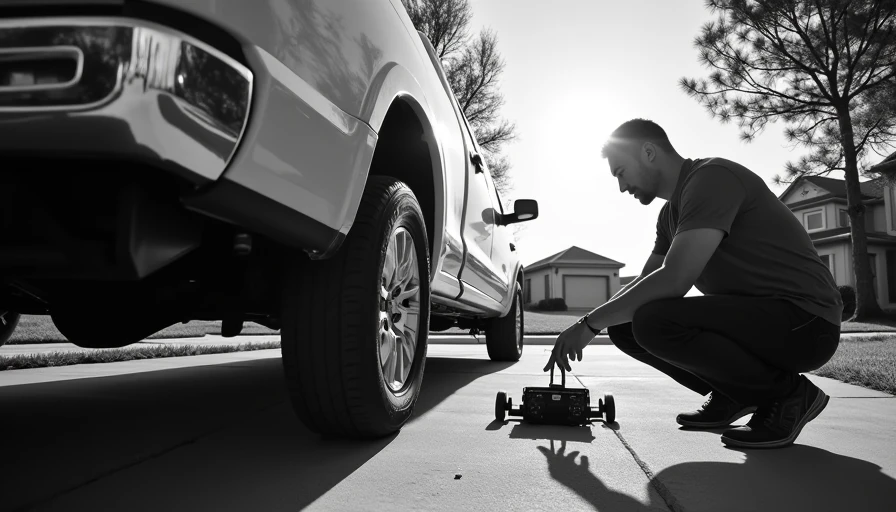
Trailer brake controllers are durable, but occasional issues arise. If your trailer brakes aren't engaging, check the wiring connections first—corrosion is common. Test the controller by manually sliding the override lever; you should feel the trailer brakes activate. If not, check the ground connection. Also, verify that your trailer's electric brakes are adjusted properly. The brake shoes should be adjusted so they drag slightly when the drum is rotated by hand.
Final Thoughts
Choosing the right trailer brake controller comes down to your towing frequency, trailer weight, and budget. For most people, a proportional controller like the Tekonsha Prodigy P3 is worth the extra money for the safety and comfort it provides. If you only tow a small utility trailer a few times a year, a time-delayed Reese model will do the job. Whatever you choose, make sure it's properly installed and tested before hitting the road. Towing is serious business—your trailer brake controller is a critical component that shouldn't be overlooked.
Remember, your trailer brake controller is the link between your truck and trailer. Get it right, and every trip will be safer and more enjoyable. Happy towing!
Letters
No letters yet — be the first to write.