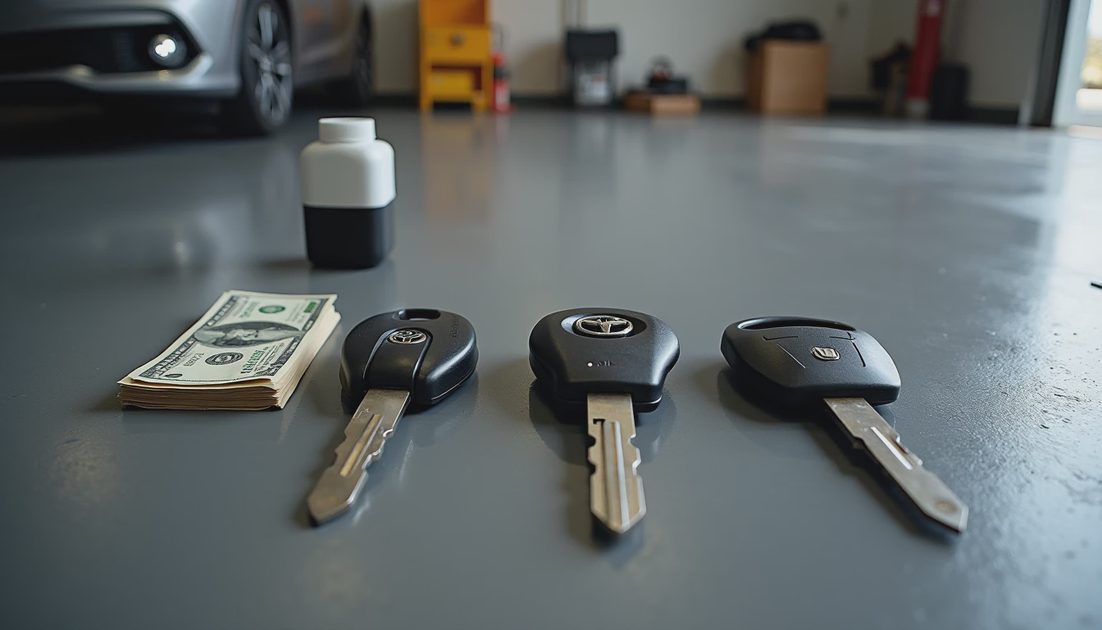
1. Toyota Sienna (2017–2020, non-hybrid, and 2021+ hybrid)
Owner: 2019 Sienna, 82k miles
Running costs from 60k–80k: $1,100 (two oil changes, one set of tires, cabin filters)
"Nothing broke. Not a single thing. I kept waiting for something expensive. It never came."The hybrid version (2021+): Even cheaper. Brakes last 100k+ miles because of regen. Owners report 40+ mpg even at 70k miles.
Why it stays cheap: Toyota over-engineered the powertrain. The transmission is bulletproof. The V6 (non-hybrid) is ancient but indestructible.
Watch out for: Sliding door motors on older models (2011–2016). Post-2017 is better.
2. Honda CR-V (non-turbo, pre-2017, or the hybrid)
Owner: 2015 CR-V LX, 94k miles
Running costs from 60k–90k: $1,800 (including one set of tires, brakes, all fluids)
"I spent more on gas than on repairs. That's the goal, right?"The 2017+ turbo version: Less cheap. Owners report injector issues and oil dilution problems around 50–70k miles. The hybrid is back to being cheap.
Why it stays cheap: The K-series engine (pre-2017) is legendary. Parts are everywhere. Any mechanic can work on it.
Watch out for: CVT fluid changes (every 30k miles). Skip it and you'll pay later.
3. Mazda CX-5 (2017+, non-turbo)
Owner: 2019 CX-5 Grand Touring, 78k miles
Running costs from 60k–78k: $650 (just oil changes and a battery)
"I kept waiting for the German-style repair bill. Never happened. It just works."Why it stays cheap: Mazda simplified their engine lineup. The 2.5L non-turbo is port injection (no carbon buildup), simple timing chain, and a conventional 6-speed automatic (no CVT). All cheap to fix.
Watch out for: Rear brakes wear faster than front (Mazda thing). Factor that in. Still cheap.
Honorable mention: Subaru Outback (3.6R, 2015–2019)
Owner: 2018 Outback 3.6R, 88k miles
Running costs from 60k–88k: $1,400 (including one wheel bearing, oil changes, diff fluid)
"The 3.6L six-cylinder is the engine Subaru should have kept. It's smooth, reliable, and doesn't burn oil like the 2.5L."Why it stays cheap: The 3.6R avoids the head gasket and oil consumption issues of the 2.5L. And the CVT in this generation (with the 3.6R) is more robust.
Watch out for: Wheel bearings. Subarus eat them. Still a cheap repair ($200–300 per corner).
The ones that got expensive fast (surprisingly expensive)
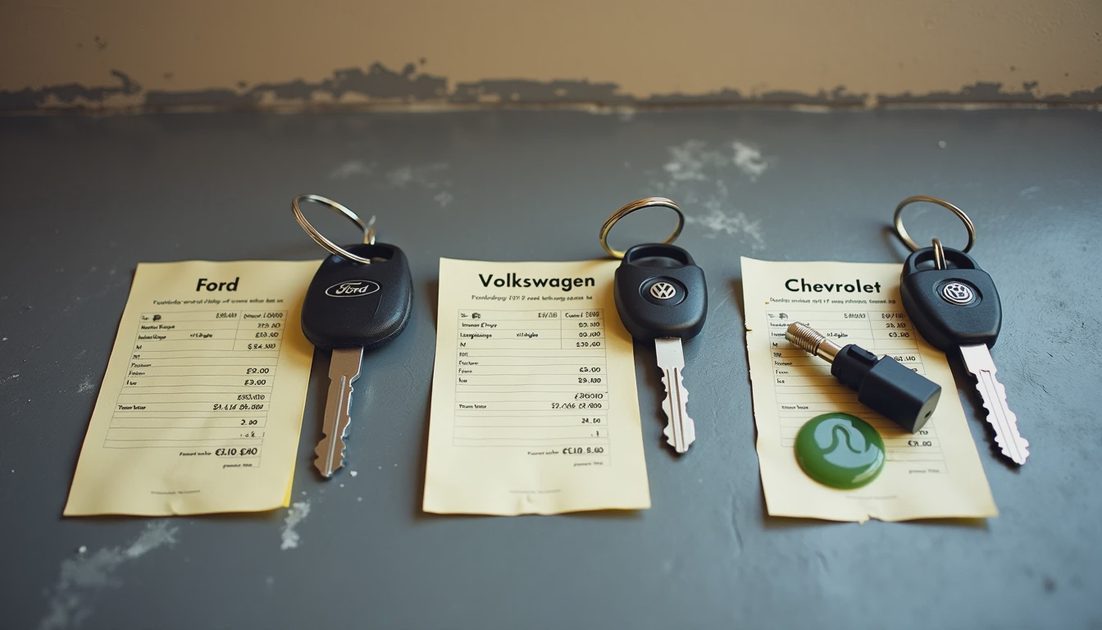
1. Ford Explorer (2020+, especially the ST and hybrid)
Owner: 2021 Explorer Limited, 67k miles
Running costs from 60k–67k (just 7,000 miles): $3,200
"Rear camera died. Transmission started hesitating. Heater core issue. In 7 months. I sold it."What breaks:
10-speed transmission (same unit as F-150, but Explorer packaging causes overheating)
Rear camera failure (known defect, $1,200 repair)
Water pump leaks (labor-intensive, $1,500+)
Why it gets expensive: Ford packed too much into a platform originally designed for police interceptors. Everyday driving kills it.
Verdict: Lease it. Don't own it past warranty.
2. Volkswagen Atlas (2018–2023)
Owner: 2019 Atlas SE, 72k miles
Running costs from 60k–72k: $4,100 (including $2,200 for a coolant leak repair)
"I loved the space. I hated the bills. Every 10k miles was something new."What breaks:
Coolant leaks (water pump/thermostat housing, $2,000+ at dealer)
Sunroof drains clog (water inside the cabin, electrical issues)
Brakes wear fast (heavy car, undersized rotors)
Why it gets expensive: VW parts cost European money. Labor is higher because things are packaged tightly. A $500 repair on a Honda is $1,200 on an Atlas.
Verdict: Great lease. Terrible used buy.
3. Chevrolet Traverse (2018+)
Owner: 2019 Traverse LT, 84k miles
Running costs from 60k–84k: $5,600 (including a transmission valve body replacement)
"I thought American cars got better. This one proved me wrong."What breaks:
9-speed transmission issues (harsh shifts, valve body failure, $2,500–3,500)
Timing chain stretch (on the 3.6L V6, $2,000+ job)
Liftgate struts (fail at 50k, $400)
Why it gets expensive: The 3.6L V6 is known for timing chain issues if oil changes are even slightly late. And the transmission is a common failure point.
Verdict: Only buy with a warranty. Sell before 70k miles.
Dishonorable mention: Kia Sedona / Carnival (pre-2022)
Owner: 2019 Sedona SX, 76k miles
Running costs from 60k–76k: $3,800 (including a $1,900 AC compressor failure)
"The Sienna owners laughed at me. They were right."What breaks:
AC compressors (common failure 50–70k miles)
Sliding door cables (snap, $1,200 per door)
Engine knock sensor issues
Why it gets expensive: Kia/Hyundai V6 engines are generally good, but the accessories and electronics around them fail earlier than Toyota/Honda.
Verdict: The Carnival is nicer inside. The Sienna is cheaper to own. Choose wisely.
The summary table
Car | 60k–80k cost | Stays cheap? |
|---|---|---|
Toyota Sienna (2017+) | ~$1,100 | ✅ Very cheap |
Honda CR-V (pre-2017) | ~$1,800 | ✅ Cheap |
Mazda CX-5 (2017+) | ~$650 | ✅ Surprisingly cheap |
Subaru Outback 3.6R | ~$1,400 | ✅ Cheap (except wheel bearings) |
Ford Explorer (2020+) | ~$3,200+ | ❌ Gets expensive fast |
VW Atlas | ~$4,100+ | ❌ Expensive |
Chevy Traverse | ~$5,600+ | ❌ Very expensive |
Kia Sedona (pre-2022) | ~$3,800+ | ❌ Expensive for a Kia |
The rule of thumb for buying used at 40–50k miles
Toyota, Honda (non-turbo, non-CVT if possible), Mazda – buy with confidence. Ford, Chevy, VW, Kia/Hyundai (certain models) – buy only with a warranty, or plan to sell before 70k.The cheapest car to buy is rarely the cheapest car to own.



Letters
No letters yet — be the first to write.