You watch the YouTube reviews.
The host is 5'10". He puts the front seat "where he'd sit." Then he climbs in the back and shows you "two fingers of knee room."
Then you buy the car.
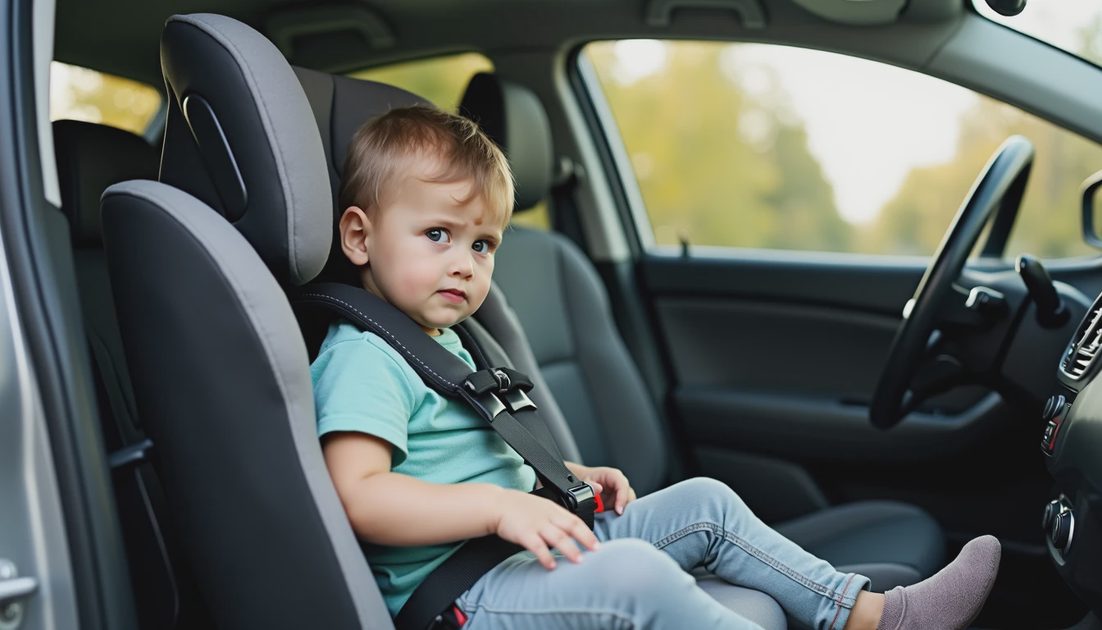
Then you install a rear-facing child seat.
And suddenly that "roomy" car becomes a daily frustration.
Here are the biggest offenders — the cars that look fine on paper but annoy you every single day once child seats are involved.
The worst offenders
1. Mazda CX-5
The review says: "Upscale interior. Fun to drive. Enough space for a small family."
The reality with a child seat:
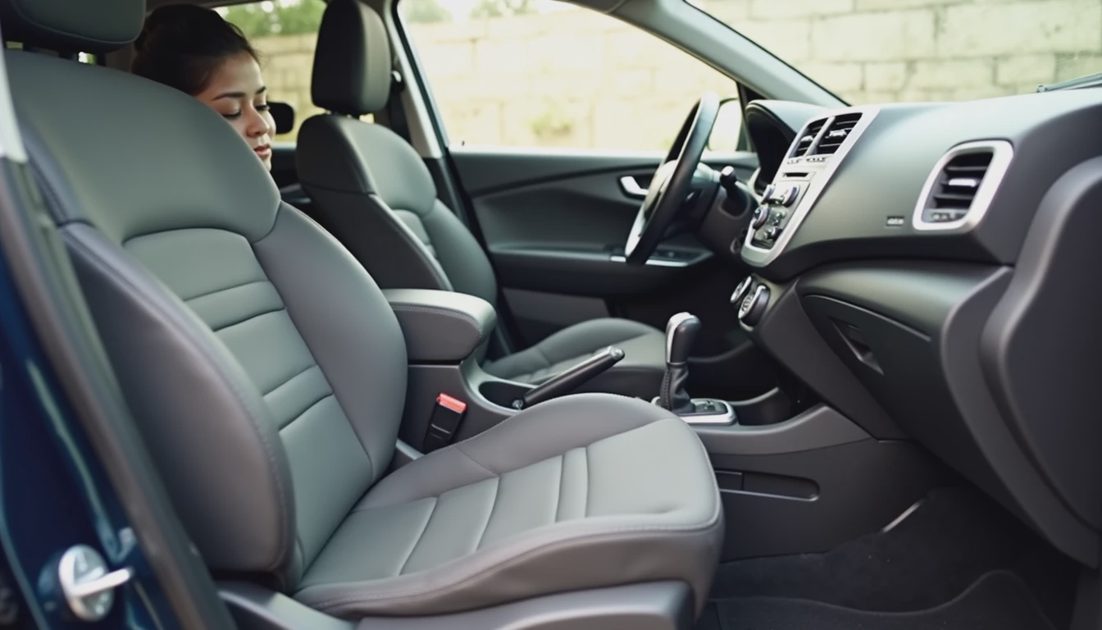
The rear-facing seat forces the front passenger seat so far forward that anyone over 5'4" is eating the dashboard. Your knees touch. Your partner will hate you.
The specific annoyance: You can't put a rear-facing seat behind the driver unless you're under 5'7". And the rear door opening is smaller than competitors — you'll whack your head leaning in to buckle a toddler.
Who it's fine for: One kid, forward-facing only, and the other parent is short.
Who should avoid: Anyone tall, or anyone with a rear-facing seat.
2. Tesla Model 3 (and Y, to a lesser extent)
The review says: "Spacious frunk. Minimalist design. Great family EV."
The reality with a child seat:
The rear seat bolsters are aggressively sculpted. A wide child seat doesn't sit flat — it rocks slightly. You'll shove pool noodles or towels under it to stabilize.
The specific annoyance: The rear seat belt buckles are recessed into the seat cushion. Getting a toddler to buckle themselves? Impossible. Even adults struggle to find the buckle. And the door opening is low — you'll bump your head.
Model Y note: Better, but same buckle issue. And the ride is stiff. Your kid will feel every bump.
3. Honda HR-V (older generation, pre-2023)
The review says: "Magic seats! So versatile! Great city car!"
The reality with a child seat:
The "magic seats" fold up, but that doesn't help you with a child seat installed. The actual rear legroom is tight. And the rear doors are small — getting a toddler in and out feels like origami.
The specific annoyance: The rear seat is low to the floor. Your kid's legs stick straight out. They can't bend their knees comfortably. Long trips = whining.
Verdict: Fine for a second car. Terrible as a primary family car.
The pattern: what to look for
Before you buy a car for child seats, check these three things on your test drive:
What to check | How to test |
|---|---|
Rear-facing seat fit | Bring your actual child seat. Install it rear-facing behind the passenger seat. Then sit in the passenger seat yourself. |
Door opening height | Open the rear door. Lean in to pretend to buckle a kid. Do you hit your head? |
Seat belt buckle location | Is the buckle flush with the seat cushion, or on a stiff stalk? Flush buckles are terrible for kids. |
The cars that actually work
If you want no surprises with child seats, stick with:
Honda CR-V (wide opening, good buckle stalks)
Toyota RAV4 (boring but works)
Subaru Outback (long doors, good legroom)
Hyundai Santa Fe / Tucson (well-designed rear seats)
Any minivan (obviously)

Letters
No letters yet — be the first to write.